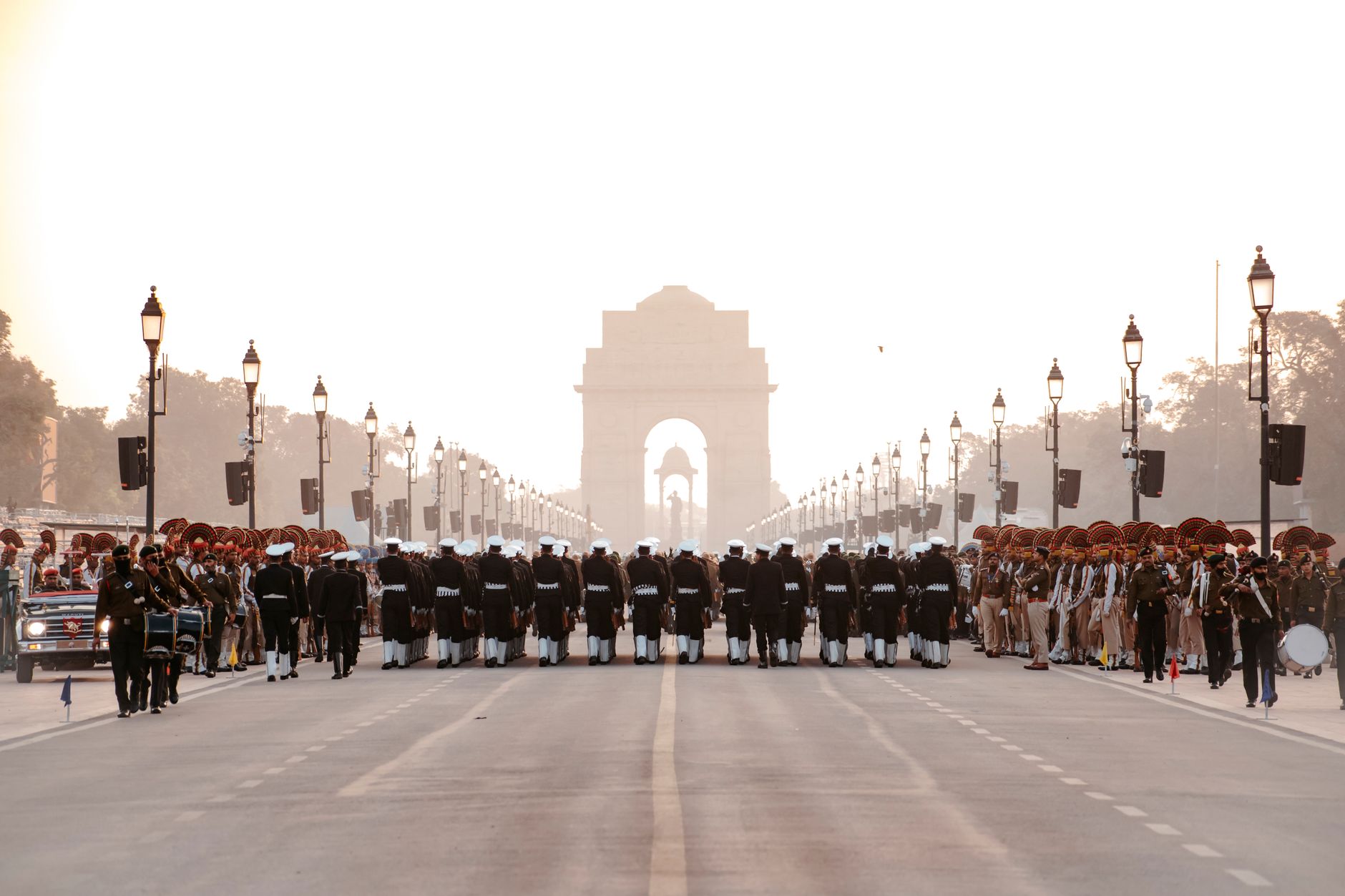
The Indian Army has taken a significant step toward bridging the gap between military establishments and civilian education by opening its doors to students through a comprehensive internship programme. This initiative, featuring 43 distinct projects across various Army establishments, represents one of the most substantial efforts by the armed forces to engage with India's student community and provide real-world learning opportunities.
Understanding the Army Internship Initiative
This programme marks a departure from the traditionally closed nature of military installations. By offering structured internship opportunities, the Army aims to expose students to the operational, administrative, and technical aspects of military functioning while simultaneously benefiting from fresh perspectives and academic expertise that interns bring.
The 43 projects span diverse domains, likely including defence technology, logistics management, communication systems, medical services, engineering applications, and administrative functions. This variety ensures that students from multiple academic backgrounds—whether engineering, medicine, management, communications, or social sciences—can find relevant opportunities.
Who Can Apply and What to Expect
While specific eligibility criteria may vary by project, these internships typically target undergraduate and postgraduate students from recognized universities and institutions. Some projects may also accommodate research scholars pursuing doctoral studies in relevant fields.
The duration of these internships can range from a few weeks to several months, depending on the complexity and scope of each project. Interns generally work alongside Army personnel, gaining exposure to military protocols, discipline, and work culture while contributing their academic knowledge to ongoing initiatives.
Benefits for Student Participants
Students participating in Army internships gain several distinct advantages:
- Exposure to cutting-edge technology and systems used in defence applications
- Understanding of organizational structures and decision-making in high-stakes environments
- Enhanced discipline and time-management skills inherent to military culture
- Networking opportunities with defence professionals and potential career pathways
- Certificate of completion from the Indian Army, adding significant weight to resumes
- Practical application of theoretical knowledge in real-world military contexts
- Insight into career opportunities within defence establishments and associated sectors
Strategic Value for the Armed Forces
The Army's decision to open its establishments serves multiple strategic purposes. It helps demystify military operations for the civilian population, fostering better civil-military relations. The programme also serves as a talent-spotting mechanism, identifying promising individuals who might later join the armed forces or defence-related sectors.
Additionally, hosting interns provides Army establishments with access to current academic research, innovative thinking, and technological awareness that students bring from their institutions. This two-way knowledge exchange can contribute to modernization efforts and help the military stay connected with evolving civilian technological trends.
Application Process and Selection
Interested students typically need to apply through official Army recruitment portals or designated websites where the 43 projects are listed with detailed descriptions. The selection process likely involves scrutiny of academic records, statement of purpose, recommendation letters, and possibly interviews.
Given the sensitive nature of military establishments, selected candidates will undergo background verification and security clearances before beginning their internships. This process, while thorough, is standard practice for any civilian access to defence installations.
Sectors and Specializations Covered
The 43 internship projects likely cover multiple operational and support functions:
- Defence research and development initiatives
- Information technology and cybersecurity projects
- Military medicine and healthcare systems
- Supply chain and logistics optimization
- Communication and signal intelligence
- Civil-military cooperation programmes
- Environmental conservation in military areas
- Educational and training methodology development
- Administrative and human resource management
- Engineering and infrastructure projects
Preparing for an Army Internship
Students interested in these opportunities should prepare by understanding basic military terminology and organizational structure. Physical fitness, while not typically mandatory for most projects, reflects well on candidates. Demonstrating genuine interest in defence matters, national security, or the specific technical domain of the project strengthens applications.
Punctuality, discipline, and respect for hierarchy are paramount in military environments. Interns should be prepared to adapt to structured routines and formal communication protocols that differ significantly from typical corporate or academic settings.
Long-term Impact and Future Prospects
This initiative sets a precedent for increased civil-military collaboration in India. As the programme matures, it may expand to include more projects and potentially extend to other branches of the armed forces. For students, successful completion of such internships opens doors to careers in defence public sector units, research organizations like DRDO, and private defence contractors, beyond the armed forces themselves.
The programme represents a forward-thinking approach by the Indian Army, recognizing that engaging with youth and academia strengthens both institutional capacity and national defence awareness among future leaders across sectors.